
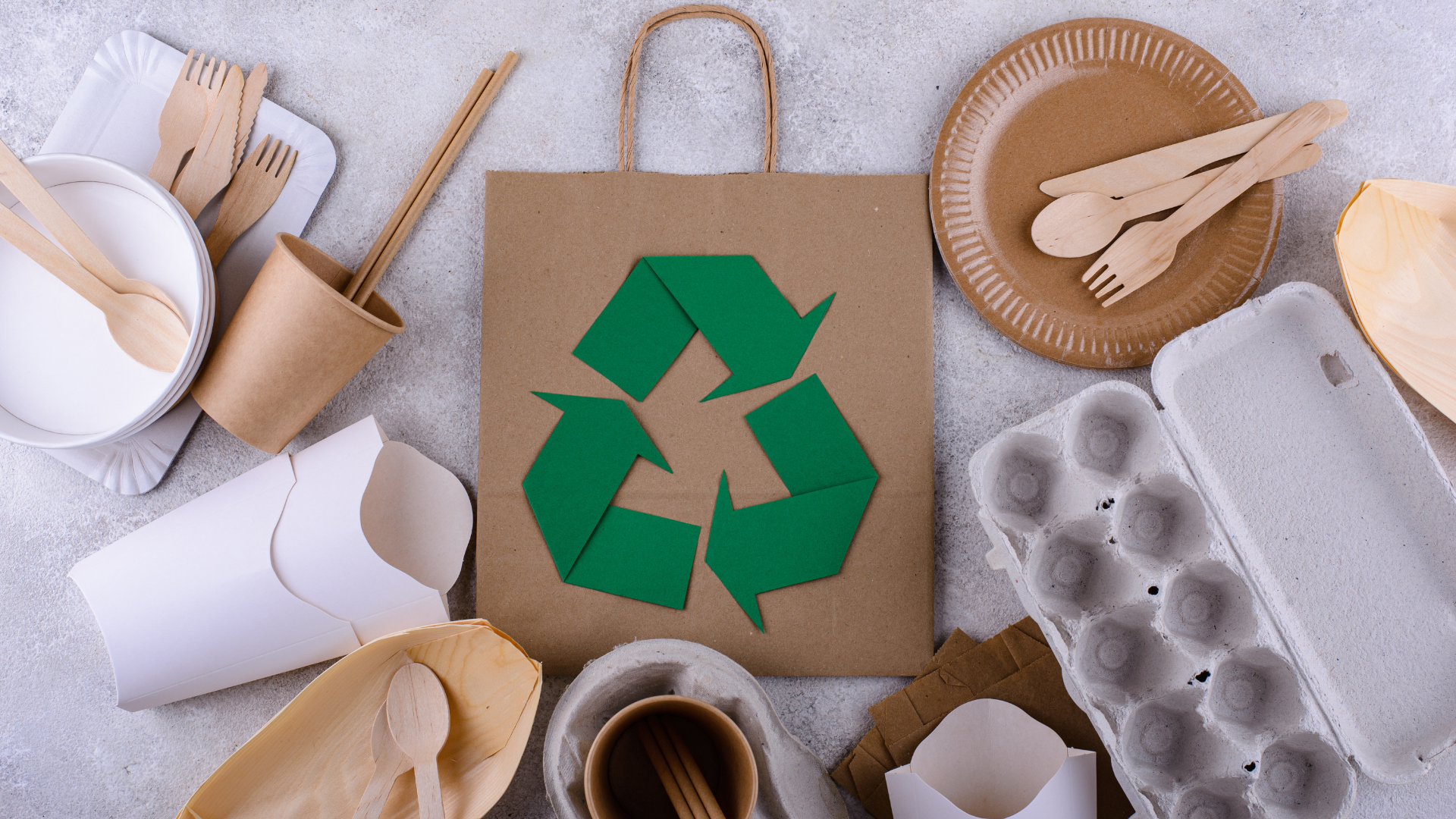
Sustainable packaging is a critical step toward reducing environmental harm and lowering your carbon footprint. As businesses and consumers become more aware of the impact of waste, adopting eco-friendly packaging solutions has never been more important.
Why Sustainable Packaging Matters
Traditional packaging, often made from single-use plastics, contributes significantly to pollution and greenhouse gas emissions. In contrast, sustainable packaging uses biodegradable, recyclable, or renewable resource materials, requiring less energy to produce and breaking down naturally.
Reducing Your Carbon Footprint
Switching to eco-friendly packaging can cut emissions by up to 40% when you compare recycled paper to virgin plastic. Sustainable packaging often weighs less, reducing transportation emissions. Local sourcing and minimalistic designs further minimize impact.
Benefits Beyond Emissions
- Less landfill pressure. Prevents long-term accumulation of non-degradable waste.
- Encourages a circular economy. Recyclable packaging goes back into production instead of to landfill.
- Reduces raw-material demand. Every recycled tote is one less unit of virgin material pulled from the earth.
Practical Steps for Businesses
- Audit your current packaging — where is waste accumulating?
- Replace plastic with biodegradable alternatives where you can.
- Partner with sustainable suppliers (that’s us 👋).
- Educate your customers — call out your choices on the packaging itself.
The Role of Consumers
Consumers are increasingly voting with their wallets. Look for FSC or compostability certifications, reuse or recycle packaging, and support brands that take sustainability seriously.
Looking Ahead
The shift to sustainable packaging is a win-win — for the environment and the bottom line. New materials and methods will make it more accessible every year, and governments across the globe are implementing regulations limiting single-use plastics. Businesses that move now will be ahead of the curve; those that don’t will have to catch up.